Difference is Possible, by: Ruth Zuniga

Clothes are a necessity. It does not matter what part of the planet we go to, we need to buy clothes. As we go about our lives, we never really take the time to stop and think about where our shirts, jeans, sweaters, and even socks come from. It has become very simple to buy an outfit at a local Forever 21, Hollister, or H&M and never think about who made it or how it got to the United States. Nevertheless, there is a story behind where these clothes come from. Many of the clothes we wear today are made in third world countries, by young kids or adults who are working in factories where their rights are not respected and working conditions are poor. They work in a way that they never imagined when they applied for the job. Many corporations are using sweatshops as a means to create the clothes that most Americans are wearing today. Sweatshops, according to The US Department of Labor, are factories that violate two or more labor laws. Many corporations try and justify themselves by arguing that if they where to pay workers the minimum wage and give them better conditions to work in, then the consumer would have to pay more for the products. They believe that they are making our lives easier by providing what we need for a lower price while hurting people and our planet. However, there is one clothing company that has made it possible, and that is American Apparel.

Not only has American Apparel proven it is possible to become sweatshop free, but they contribute to many other great new methods of manufacturing, and distribute in 19 countries. One very important aspect of the company is the way they treat their employees. Right off the American Apparel website one can find the difference between the sweatshop environment and a sweatshop free factory like the one where the American Apparel items are made.

“The average sewer with experience at American Apparel is making about $25,000/yr, or $12 an hour, almost twice the federal minimum. This can be higher in some cases. We also offer parking, subsidized public transport, subsidized lunches, free onsite massages, a bike lending program, a program of paid days off, ESL classes and much more. Most importantly we guarantee job security and full-time employment; this is an anomaly in the garment industry, which has historically been dominated by seasonal work.”

Besides these great programs, employees together with their families are provided with health care, which is one of the many things that employees in sweatshops do not have. Many companies that do not provide these type of resources for their employees believe that it is better to have cheaper clothing for the consumers than actually treat people like human beings with needs. Not only is American Apparel making a difference by treating employees the right way; but they are also taking care of our planet.

The start of their organic line is the start of a new way of taking care of our planet. They are

making an impact in people’s lives, as well as in the environment. They use organic cotton and

dye the fabric with a low-impact dying process with eliminates chemical waste. The company

has bought around 30,000 pounds of cleaner cotton as well as joining the Cleaner Cotton

Campaign, which offers farmers with tips on how to cultivate cleaner, more organic cotton. The

organic material is only part of what they do for our environment. Fifteen percent of the

company’s energy comes from a system that generates 150 kilowatts of   renewable energy.

They also recycle, and in 2005 started lending out bicycles to employees as transportation with

helmets and locks. Catalogs are made in 100% recyclable paper and they will be starting a bamboo and recycled polyester line as well. How can companies say that sweatshops are the best answer when American Apparel is treating their employees in an ethical manner as well as making a difference in the environment? Not only has American Apparel grown, but they are selling.

There is one fact that many people can agree on, their clothes are expensive. A simple t-shirt

can costs from 15-28 dollars each. However, the company is still very popular and many people

in over 19 countries are buying from them. There are over 260 stores worldwide. Why is it that people are willing to pay so much for their clothes? The answer is simple. A sweatshop free

environment attracts attention.

Consumers realize that stores like American Apparel are making a positive difference.

They can see that not only are they helping people have good jobs, but they are helping our

environment by providing new ways of making products. The consumers can see that American

Apparel stands for many different varieties of issues and this makes consumers want to be a part

of such of positive change by buying the products.

More and more people can see that American Apparel’s method is for the better and that companies using sweatshops really have no more excuses. Not only can the clothes in a non-sweatshop factory be affordable but they can be comfortable, flashy, and buyable.  It is possible to create a better environment for workers and for our planet. It is possible for a company to be sweatshop free and still be successful. Many just need to realize that standing up for what is right can be rewarding at the end.

Works Cited

1)      Advertisement. American Apparel / About Us/ Learn More. American Apparel Inc., 2009.          Web. 13 May 2010. <http://www.americanapparel.net/contact/&gt;.

2)      Green America Come Together. National Green Pages, 2004-2009. Web. 13 May 2010. <http://www.greenamericatoday.org/programs/sweatshops/whattoknow.cfm&gt;.

Local Food a Better Choice

Healthier Living By: Ruth Zuniga

One should strive to eat healthier, by consuming organic local foods; this will not only help the environment by being eco-friendly but it will allow for a better healthier life, as well as supporting the farmers who have till now strived for good growing environment.  Eating more organic foods is a positive and practrical action that can be a lot more rewarding at the end.

Organic agriculture, does not only provide crop but it also provides livestock systems that are a lot more natural for the animals, fruits, and vegetables. Animals are provided with an open, clean, non-chemical environment where they are able to grow as they should with less probabilities of getting a disease and relieving stress. On organic farms, animals are not allowed to receive any type of antibiotics,and friuts as well as vegetables are not sprayed with toxic chemicals called pesticides.  These fruits and vegetables grown in non-organic farms, are left with chemical residues which end in our bodies suggering health problems such as defenerative diseases in children. One very good outcome of consuming organic foods is that it has a higher percentage of minarals and in the end are very much healthier than most other products.

It is understood that with the economical crisis going on in the United States more families would much rather buy the non-organic products which are cheaper in price. However, one must sit and think about what is being put in these products and how much they will harm us in the long run. Everyday normal people are making themselves more prone to diseases and health problems which in the end need care. Therefore in the long run more money is being wasted in very expensice medical procedures and medicine. This all can be solved by consuming foods that are better for ones body. Not only is it rewarding to oneself but also for the community, due to the money used to by organic foods stays in the same area.

Dirty Little Secret By:Oscar Martinez

Food is deceiving. It attracts people with its outer appearance and its sweet interior. A person can enjoy food for a while, until it finally decides to stab the person in the back. This is where people need to take some responsibility on what they eat. The issue in this time is that many people do not pay attention to what they are eating. This lack of attention can lead to future health problems such as diabetes, or obesity which can also lead to cardiovascular disease. Changing one’s diet, and even the location from where one purchases his or her food, can be beneficial to a healthier life.

Since many people don’t pay attention to what they eat, they tend to make poor decisions on what they buy. Food products that are sold at grocery stores may not be what they seem. If a product claims to contain a certain type of nutrition, it may not be necessarily true. Many Nutrition Fact labels on food products sugarcoat its facts. For example, even though a product may be fat-free, it is not completely healthy. The fat from many of these food products is usually replaced with sugar. This is why people need to be careful with what they eat.

Taking the time to look over what is in the food product can have significant results. Studying a food label can help determine which products are best and which are not. To purchase the best quality food is through local famer markets. There are multiple benefits when purchasing from these stores. The products from these stores contain the most nutrition since they were produced not too far from the store instead of traveling miles from where it was made. That leads to another advantage which is that it is helpful for the environment. Another reason is that not only does the money go to the producer of that product, but a portion of the money goes to the local community. The only disadvantage to these stores is that the products cost more than grocery stores and have limited products. It’s a small price to pay, though, considering these new choices can lead to a healthier life.
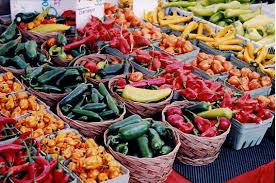
Better All Around For the Consumers By : TaeHwan Choi

There are three resources that people have to have in life: a house to live in, clothes to wear, and food to eat. Among these resources lies the most essential one, food. Products can be grown and shipped out from anywhere since development of technology; however, when it comes down to it, local food products are more fresh and healthier. Purchasing Local Foods acts also intertwine with our economy, benefiting local farming system.

When you watch the food channel or read a magazine about cooking, you don’t hear them talking about using preserved canned vegetables. Instead, they will most likely feature fresh local products, for obvious reasons. Because the environment such as soil, temperature, and humidity are perfect with certain ingredients, the product grows well. Local food can only have a certain season, so it grows well and farmers don’t need to spray and chemical products, such as pesticides or catalyst, to grow ingredients.Therefore, there is no other product can make the same condition as local products.

Aside from taste, making a full time commitment to local foods can also become a contribution in boosting the economy. You can see lots of tags about helping local farmers on potato packages or any other fresh products. Farmers maintain their place in the industry by selling their products and they get more benefits when people buy more of their products.

Many other benefits of local food are everywhere and people should recognize how local food effects our society. By buying local food, we have to chance to get quality products, without compromising our economy.And also by making and eating local food, we get to have great taste and can feel the freshness. Our body will sing a happy song because local food makes our bodies healthy.

Healthy Food, Healthy Communities By : Rick Shim

At a time when food travels farther than ever before, eating local is one of the most encouraging and significant changes we can make in our diet today. It gives us a reason to be curious about our food – not just the number of calories or carbs it contains, but where it comes from and how it is raised. An interest in eating local can help shine a light on many of the more problematic aspects of the food system, from animal welfare and labor abuses to environmental neglect.

The good news is that the local foods movement has exploded in recent years, whether in the number of farmers markets, the range of supermarkets featuring food raised nearby, or the growing appeal of groups like Slow Food. Local ingredients are showing up everywhere from school cafeterias to restaurant menus. What factors do consumers consider when choosing fresh produce? Although traditionally mentioned factors such as eating quality, food safety, and health benefits continue to be of importance, there is increasing evidence that some consumers intend to also make civic and society-focused statements with their purchase decisions.

The appeal of eating local is obvious: tastier and fresher fare, the chance to support our neighbors and keep cash in the local economy, and reduced vulnerability to oil shortages, transportation problems, and large-scale food contamination. In many developing nations, greater food self-reliance can also help retain precious foreign exchange and avoid the whims of international markets.

And thats the way the building crumbles…

    As America is experiencing one of its greatest economic downfalls in its history small yet important things are being over looked for no logical reason. Building structures need a strong frame in order to accomplish its job in keeping the people inside of it safe. Carelessness and greed have caused these important details to be forgotten. A great example would be the San Francisco earthquake of 1906. Building stood upon trash heaps and were expected to withstand natural disasters. Although the earthquake was expected because of previous disasters no precautions were taken. After the destruction of the once great city people began opening their eyes on the troubles that were at hand. So many people went homeless, jobless, and lost their family members. Children lost more than they ever had a chance to gain. Life as hard as it is became harder for them because they couldn’t fend for themselves and their parents tried to do everything they possibly could for them. Because of this issue many organizations were created to help prevent further destruction from completely destroying the city. 

In the new century building structure stability is becoming more put first and taken more seriously. Metal framing is becoming mandatory in structure set up and they’re more earthquakes ready. America was found by those who took time to find detail in the beauty and the bounty that she offered. The same procedure should be taken when building a structure. If a good job is done in the beginning then there is no need to fix it later. That saves time, money, and most importantly lives.

Work cited:

http://www.cbsnews.com/video/watch/?id=6089665n

http://video.google.com/videoplay?docid=8762714927765468219

Fast Food in a Fast World; Put the fork down and buy local

Partida 1

Most Americans consume fast food because it is cheap, fast and satisfying. However, this has backfired in the long run leaving us with overweight children and people suffering with Diabetes and a high Cholesterol. I agree that fast food is fast and predictable because no matter where you go you will always have the same recipe in front of you. Fast food places are constantly busy and the business in rising due to a high percentage of Americans consuming it. This has become Americans biggest issue and the reason why there are people with so many health problems.

Corporations like McDonalds have their food frozen for months and their food has traveled thousands and thousands of miles. Buying organic food at Farmers Markets or even fruit stands will decrease your chances of heart diseases. It is not healthy for us to eat deep fried fries and frozen meat. We already had an outbreak of E Coli in the early 1990’s when a child consumed a contaminated burger from a fast food restaurant and died tragically from diarrhea and dehydration. More than 30% of E Coli victims are under the age of 10.

America needs to take a stand because it is us that control those major corporations that own the fast food industry. They make us feel like we have a choice when we go to any grocery store; however that is not the case. Most products are owned by only a few companies which mean we don’t have a choice and we are given nearly the same product each time and our chances to find something that hasn’t been processed are slim. We need to act now if we want to make our world a better place for us and future generations.

This is as healthy as it gets

Works Cited

Transportation, Adding. “Buy Local, Local Food Is Sustainable – The Issues – Sustainable Table.” Sustainabletable. Web. 01 June 2010. <http://www.sustainabletable.org/issues/eatlocal/&gt;.

Think Local, Think Food

Welcome to our post in which we will discuss the topics of the food movement in the United States. You will be exposed to different viewpoints in the area of local food in the form of written papers by La Sierra University students.

McDonalds and Animal Rights

By: Megan Clark

For decades, Animal rights activists pressed for McDonalds to change their cruel ways and practice more ‘humane’ ways to kill. Many farmers and leaders shot these activists down or didn’t address the subject. Finally, in the early 2000s, McDonalds paved the road for pushing animal farms to take better care of their animals. McDonalds’ animal welfare policies were set up to protect the rights of cattle to make their lives more at ease. Not only did McDonalds make the living conditions for cattle more livable, they also cracked down on egg suppliers. McDonalds gave the farmers 18 months to comply with the new procedures. Although these new practices and such were going to cost more money, McDonalds saw its necessity and supported the welfare of the animals. It may seem like a lot has taken place since the early 2000s but in actuality, these requirements were rather small. Since 2002, no other action in reference to animal welfare has taken place. Chickens and cattle are still being abused before their death. McDonalds says that they are looking into a more humane method of execution called Controlled Atmosphere Killing-killing by replacing oxygen with gas.

Does it all make a difference? Actually, it all does but much more has to be done to promote the animal’s wellbeing. A happier animal is found to have more nutrition and fewer diseases.

Although I believe McDonalds has done right by taking a stand against the abuse of animals for consumption, I do not believe that what they have done is enough. People will shed light on some areas and not the others because, by doing so, it will decrease the profits of the company. If animals were not given steroids, it would take a longer time for them to reach consumption age with not as much meat. But what is the price- A lifetime of pain and misery for the animal? We are not just paying for the happiness of an animal, we are paying for the vitamins that the animal naturally has. If a fast food place such as McDonalds, the number one buyer of beef, simply got its animals from free roam farms, what a difference that would make on society.

Works Cited
Lin, Doris. “McDonald’s and Animal Rights – Background on McDonald’s and Animal Rights.” Animal Rights – Articles and Blog About Animal Rights. Web. 04 May 2010. .
“McDonalds Slammed for Cruelty: News24: World: News.” News24, South Africa’s Premier News Source, Provides Breaking News on National, World, Africa, Sport, Entertainment, Technology & More. Web. 04 May 2010. .
“What’s Wrong with McDonald’s?” M C S P O T L I G H T. Web. 04 May 2010. .

Is Faster Really Better? By: Brandon Pardosi

Americans have always wanted to pay less for more.  Because of this, Americans health is deteriorating, and we are blaming the food, when the only ones to blame are ourselves. America’s new food culture is at its all time worst.

The Fast food culture has tainted America’s food culture.  It’s not only expanding our dependency on fast food, but our waistlines as well. , Americans spent around $6 billion dollars, which was then, now Americans spend over $110 billion dollars (Americans). Americans now spend more on fast food than anything else! Including education, computers, cars, movies, music, books combined! (Press)

When Americans spend their money on fast food, they spend it on food that looks good. . But foods that look good might differ between fast food lovers and organic food lovers. To organic food lovers, fast food is not even considered food. To fast food lovers, organic food doesn’t look good. . This is a new food ethic, which is emerging quickly, 20 percent per year. This new food ethic will hopefully give Americans the desire to build relationships with our fellow farmers, and through the farmers, the earth.

We need to go back to healthy home cooked meals and stop relying on fast food meals. This terrible food culture is taking a toll on our lives in the long run. Our dependency on fast food will only lead to obesity. 30 percent of children today eat fast food, every single day of the year. 50 percent of children now are obese, you wonder why? (Statistics) We must come back to the food culture of home cooked meals and start eating organic, natural foods and let our local farmer markets be our dependency.

Works Cited

“Americans Are Obsessed with Fast Food: The Dark Side of the All-American Meal – CBS News.” Breaking News Headlines: Business, Entertainment & World News – CBS News. Web. 29 Apr. 2010. <http://www.cbsnews.com/stories/2002/01/31/health/main326858.shtml&gt;.

“Press Articles – Rolling Stone 1.” M C S P O T L I G H T. Web. 29 Apr. 2010. <http://www.mcspotlight.org/media/press/rollingstone1.html&gt;.

Publishers Get 25 Free Article Reprints. 3 Sept. 2009. Web. 27 May 2010.

<http://ezinearticles.com/?Statistics-on-Obesity-in-Children—3-Very-Shocking-and-Surprising-Statistics!&id=2868944&gt;.

“Statistics on Obesity in Children – 3 Very Shocking and Surprising Statistics!” EzineArticles

Submission – Submit Your Best Quality Original Articles For Massive Exposure, Ezine


Slow Food V. Fast Food

By: Raul Gonzalez

In a fast pace world like this there is a demand for everything to get faster, even our food. I have constantly seen drivers with one hand on the steering wheel and in the other a burger from a fast food restaurant. The drive-thru has become a great invention, which is why restaurants like In-n Out usually only have a drive-thru. Restaurants of this type realize every American has a busy schedule in which they have no time to stop and eat. However is this good for us? Is fast food really better for our health, it may be a solution for our busy schedules but the benefits fast food give us are not the best, we should switch to slow food in order to help our environment, our well being and local economies.

When buying local food you do not only help out local farmers but you help the environment. Average distance food travels are about 1500 to 2500 miles from industrial farms to your dinner table (Bogner). However people argue that the fuel cost is more for a farmer to travel food in his old pickup truck to the market than for an industrial company to transport larger quantities of food (Martin). A team from UC Davis researched and found it to be more harmful for local farmers to grow food, since some of them are not fully educated on how to properly grow crops. A reason we should take into consideration however is that this research might be slightly influenced by the founders. The research also fails to recognize the group of farmers that do properly grow crops and are being eco friendly when transporting them.

Local and slow foods are also making sustainable communities. According to the article found in the ecosmagazine about local food for sustainable communities agriculture is responsible for 20 percent of the greenhouse gas emissions globally, this information was taken by the magazine from the website http://www.climateandfarming.org/pdfs/Facsheets/IV.1GHGs.pdf. In this article Sullivan also states we should not look at cities as a consumption space but as a productive area. In my opinion I prefer having a traditional farm in my city than smog coming out of the industrial farm producing cheap and low quality food leaving my city and then coming back after it made a trip almost around the country (Sullivan).

In retrospect switching from fast food to local food is essential to the environment, health and support for local economies. Eating slow food will takes us back to enjoy food as it should be, a time for a family gathering instead of seeing it as necessity that needs to met and do not care how. The slow food movement is something to be considered in order to live a better life in our environment and erase the carbon footprints industrialist are leaving.

Works Cited

Sullivan, Rachel. “LOCAL FOOD FOR SUSTAINABLE COMMUNITIES.” Ecos 152 (2009):

18-21. Academic Search Premier. EBSCO. Web. 18 May 2010.

Bogner, Jane. “How far does your food travel before you eat

it?.” valcorecycling (2004): n. pag. Web. 18 May 2010. <http://www.valcorerecycling.org/affair/archives/2004-10-31.htm&gt;.

Martin, Andrew. “If its fresh and local, Is it always greener?.” New York

Times (2007): n. pag. Web. 18 May 2010. <http://www.nytimes.com/2007/12/09/business/yourmoney/09feed.html?_r=2&gt;.

Fast Food in America

By: Omar Sallehi

Americans haven’t experienced or seen much suffrage throughout its history when compared to other countries around the world. One major thing that Americans do lack or don’t take action upon is the mere 300, 000 deaths which takes place every year due to obesity. Leading the chart right above Australia, Americans show very little or no sign of change. Research statistics shows the obesity trend escalading from the 1960 too today’s society due to the unhealthy eating chooses people are making. Can we Americans make the change by eating less fast food and make better healthier choices? I personally think it’s a possibility and something that needs action taken upon by each and every one of us. We can reek the benefits in many aspects such as: improving our health  by not only better in our health and living longer.

What will change first, Americans or the Corporations that market this food to them? Possibly the corporations; out of all the business’ out there, Subway is one of the only large corporations that is marketing healthy food and a healthy lifestyle. Other companies are slowly adopting this idea of selling healthier food. On the other hand it appears that Americans are starting to realize that their love for fast food is a dangerous relationship. There have been a few lawsuits to fast food companies for marketing their food and the media is really starting to bring up the fact that American waistlines are increasing on a daily basis. Right now, unfortunately, it is a vicious circle – as long as Americans keep eating more and more fast food, the more these companies will keep marketing adults and children and the worse the health of Americans will get. Maybe the government should step in and force lower costs for healthy food and higher costs for junk food, or maybe, like Tobacco in the USA – Americans will wise up to the fact that by consuming these products they are only destroying themselves, and change. I had the answer of my question fast food for me is the sorry fat way to die.

Think Globally, Eat Locally

Introduction

The local food movement is becoming increasingly popular, especially with environmental issues being highly debated on.  The following papers discuss the pros and cons of such a system and the impact of implementation.

Food For Thought by Sarence Simatupang

American society is fast paced and we need a food system that gives us what we want when we want it. This system appears efficient but can yield harmful results. Buying local food is a way to end this faulty system. Although buying local food can be more costly and doesn’t offer as much variety as imported food, it is a better choice for our bodies and our environment.

The obvious reason to buy local is for health benefits. Imported food has to last from harvest to the market. To be able to sustain food, preservatives that destroy nutrients and cause some diseases must be added. With local foods, there is no need for preservatives because the food doesn’t have to travel far or last long. Some may argue that many can eat preservatives and be unharmed because the body’s resilience. The body however, starts to lose its resilience as it gets older and will be harmed by the preservatives (“Preservatives and Additives”).

Imported foods might appear cheaper than local foods but there are hidden costs. Transportation of food requires vast amounts of fuel which causes carbon dioxide emissions that contribute to climate change. Some may argue that imported foods provide income for farmers in developing countries. Unfortunately, global warming will cause droughts in these countries and people will lose their ability to farm therefore losing their income (“Food Miles”).  It might seem that imported foods cost less, but they are really compromising the future of this planet and that price isn’t worth paying.

Gradually we can make the change to eating entirely local foods. We just have to realize that by buying imported foods, we are stealing from future generations. Importing foods causes global warming which will lead to economic disasters and animal extinctions in the future generation (Kingsolver 66). A simple change of lifestyle can make this world a better place for us and future generations.

Home Grown by: Hilda Maciel

Food is a key item to surviving along with water. When it comes to eating, we Americans don’t think about the negatives. . The food industry is not concerned with health, but with making money. Food companies are only interested in making food as tasty and attractive to you as possible. We need to take responsibility for caring for ourselves by eating properly; no one else will take it for us. Local food is healthy for you and it’s also healthy for the planet.

Many people argue that we need to care for and protect what is left of our planet. By importing food we generate large amounts of CO2 and it also burns up a lot of fossil fuel which contributes to global warming. Reducing transportation doesn’t save much in terms of dollars and cents, however, the ecological savings may be far more significant. Eating local can make a significant contribution to sustainability, even if only by making a strong personal statement in favor of reducing our reliance on non-renewable energy and protecting the natural environment.

The local food culture values food produced in ways that protect the natural environment and respects the farmers, food industry workers, and other living things involved in food production process. Local foods can be fresher, more flavorful, and nutritious than canned fresh foods shipped in from distant locations. By eating local, food buyers can get the food they actually prefer rather than accept whatever is offered in the supermarket. They can buy foods that are authentically different, not just in physical qualities but also in the ecological and social consequences of how they are produced.

If you are the type of person who wants to know where your food comes from and how it is produced, local food is something you should look into. And if you’re not that person you can still give it a try. Local food is for anyone and everyone.

Local Food Culture

by: Samuel Munguia

There will always be negative and positive factors when it comes to food culture. One of the good things about the food culture is how naturally all the food that is produced is grown locally. Some experts say that local food is one of the greatest things we can do for ourselves. There will always be those big time companies that had a stamped lie on their packages saying “produced locally” or “Fresh cut” but most of those are just lies so they can sell their products faster and make more money. How about actually taking care of yourself and buying or producing local food. Make a change in your life and help make one for others to.

As people we want to have access to a long and healthy natural life.  With most of the produced goods that are in the store, that healthy nature life isn’t going to go as planned, better yet how about some naturally local grown food? With local goods there is always the advantage that you avoid all those preservatives that doesn’t make the food go rotten or spoil. Local food culture is pretty much self explanatory, there are usually group of local food that sell their own grown produced products at a farmers market or a self owned buisness.

Us as California’s are a demanding state. If we want a strawberry shortcake durinf winter, we can get the strawberries from around the globe. We get many products around the country, but all these preservatives aren’t good for our bodies to take in. Yes local food can be a bit more expensive but is better for our health. Local foods are grown in healthy soil and picked fresh which makes it the best choice someone can make.

Yes shopping may seem stressful when you are always looking behind the labels to see what ingredients they have to try and make them healthy. So why not go to a local food Market and not worry about looking behind the labels, or how old a fruit may be , or when it was picked or packed. Go to your local farmers market and do most of your healthy food shopping there. Statistics show that people who shop at their local food store and eat organic have a healthier and stronger body. Eating healthy is a good way to start and change . It never to late to start a change , why not now!

Works Citied:

http://www.sustainabletable.org/issues/eatlocal/

video: Food Inc.

http://www.grownlocally.com/Foodfacts.html

Saving the World, One Vegetable at a Time by Chelsea Wee

Society’s obsession with reviving and glorifying past trends does not bypass even the methods of food consumption, as seen by the growing attention towards the idea of the friendly farmer-next-door providing fresh produce to the community.  The local food movement promotes sustainability through a shared effort to support locally based, self-reliant food economies.  While I do agree with certain undeniable virtues of the movement, I feel that it is only fair to acknowledge the blemishes of such a system and that exclusively buying and eating only local produce may not be practical.

The argument for the local food movement can be very persuasive.  Supporters of the movement (also known as “locavores”) boast of the transparent use of responsible and organic farming methods, and improved freshness, quality, taste and nutritional value of the produce.  According to locavores, a sense of community is fostered through the interactions at farmers’ markets.  Purchasing local produce can be affordable through food co-operatives.  Supporting the movement decreases support for the giants of the food industry, and may force the decision-makers of these companies to rethink unsavory practices.   However, these noble claims neglect to acknowledge the reality and practicality of the situation.

The local food movement is far from flawless.  The limitations in the variety of local produce may create a nutritional gap.  Social responsibility must also be considered, such as the employment of the dependents of the previous system. Buying local produce can be inaccessible to those without the time or financial resources to do so, or those who live in regions that are environmentally unable to support a localized food system.  The creation of a closer community also has its setbacks, such as segregation, isolation and elitism.  Small-scale agriculture may be inefficient without the economies of scale and division of labor that industrial agriculture enjoys.

I feel that buying local produce is not the only solution to the problems of the current food system.  Considerations should be made regarding other methods to streamline the current system and a shift in emphasis towards healthy food preparation.  Instead of being a replacement, buying and eating local produce should be done as a complementary measure, striking a balance between both systems.

Obese Education not the Student by Wesley Akeli

We can argue the fact that our children consume some of the most unhealthy food products at the lunch tables in our school cafeterias but it doesn’t change the plain truth that a child’s obesity condition is strictly associated with the lack of education and knowledge of what they eat. This is a direct stab at our nations’ lack of education on food identity and culture due to the obesity crisis that we all face daily.

The food culture has a broad stage of things to counter but the fact that education has suffered the most, frightens and agitates the future development of the younger generations to come.  It is without a doubt that education is more than susceptible to improving the view of our local food culture concerning the developmental welfare of our children. It begins with the acceptance of noticing that we are in the most substandard place of health and that there is a need for a more better understanding of our current food culture. St. Vincent Health has it

“Culture- People learns to eat and cook the way in which they were brought up. Food and combinations are learned very early in life. Social events and family rituals are often centered on large meals. Today’s culture promotes eating habits that contributes to obesity.People may serve large portions and foods that are most readily available instead of choosing foods that are most nutritious. Cooking with butter, chocolate and other high-caloric foods is a normal part of the American diet.Also; food is often used as a reward in this country. Children are treated to sweets for cleaning their room, and the team is taken for pizza or ice cream after the game. Seldom is eating only when hunger is present.”(Biatric weight loss center of excellence www.stvincent.org)

On that note, change will take careful steps like that of the British Nutrition Foundation puts it  “Enabling children to select foods available from a balanced range of healthy and higher-energy foods available from tuck shops and vending machines provides an opportunity, we are concerned that the children may be deprived of the chance to learn the necessary skills to make healthier food choices, and will not necessarily learn to take responsibility for making healthy choices for themselves outside the school gates” reference Butriss J (2005) Government promises school meals will be transformed. Nutrition Bulletin 30:211-14

This provision will allow for kids in schools to become more aware of what they are putting into their bodies. Over all this quote not only unveils the failure of education but how the emphasis of health is down to its’ last strings. “Every child has a right to be as healthy as present knowledge can make him. Proper feeding is one of the chief factors in health.”-Lucy H. Gillett. The solution is child’s play. Foster children in making the best choices that contribute to good health by education. This problem called obesity is simply prevalent because there is a paucity of resourceful information that should be taught in schools to give life to our future generations. The education must predispose the individual of living a healthy life.

Living Life By a Thread

Over the years it has been clear that most of the clothes we purchase are made in countries outside of the U.S. Not only do our clothes come from outside of the country, but they are also made in sweatshops where the workers who make them are put through harsh conditions and are paid little to nothing. The following essays, video clips, and pictures will provide information on the conditions and employees of sweatshops around the world.

Sweat Shops, by: Stephanie Hardyway

How can we tell if the product we are about to purchase was made by a child, by teenage girls forced to work until midnight seven days a week, or in a sweatshop by workers paid 9¢ an hour? The sad fact is that most of the time we can’t. Companies do not want us to know, so they hide their production behind locked factory gates, barbed wire and armed guards. To shop with our conscience, it is our right to know in which countries and factories, under what human rights conditions, and at what wages the products we purchase are made.

In the U.S, garment workers typically toil 70 or 80 hours a week in front of their machines, often without minimum wage or overtime pay (Lessin). In fact, the Department of Labor estimates that more than half of the country’s 22,000 sewing shops violate minimum wage and overtime laws. Many of these workers labor in dangerous conditions including blocked fire exits, unsanitary bathrooms, and poor ventilation. Government surveys reveal that 75% of U.S. garment shops violate safety and health laws. In addition, workers commonly face verbal and physical abuse and are intimidated from speaking out, fearing job loss or deportation, since many of the workers are immigrants (Department of Labor 2).

The U.S. has always been a big participant in the use of sweat shops and with a government that advertises freedom it is hard to believe. So people lose the rights guaranteed to them for the simple fact that low wages, with poor conditions, is better than nothing at all. Everyone has their own questions of morality when it comes to the garment industry. Some might say that yes there are poor conditions, but at least these immigrant workers can get paid, and that the workers should be happy. However, not all people think this way and a lot of people might want to know which stores implement sweat shops as a way of making their clothes. It won’t be easy to find out which stores use sweat shops, but for now being educated can be enough to hopefully stop production in sweat shops, or at least make the conditions and wages better.

Work Cited:

Department of Labor. No Sweat – Help End Sweatshop Conditions for American Workers. Web. 2001.

Lessin, Tia. Behind the Labels: Garment Workers on U.S. Saipan. National Video Resources. Web. Mar. 2001.

Time to Change, by: Bahareh Bidram 

When we hear the word garment or sweatshop, we can picture of small, dangerous, and dirty factories. Most of the employees are women and children who forced to work on this unhealthy and unsafe environment. Behind the clothing label there are a lot of issues, which sometimes it is worse for women workers, which I want to share in this essay

The majority of garment workers are women. They work from morning till late night with minimum wages. These workers are to report to their duties on time otherwise they have to come under many queries or cuts in wages. There is a lot of pressure on these women which could affect their health and for some who are pregnant; there is a high risk of miscarriages which are reported a lot. Most of these women come from poor villages to town for work, therefore, increasing amounts of overtime has put the personal safety of women workers at risk especially when it requires them to travel to and from work at times that may prove unsafe for them. Many women face the risk of being attacked or have to wait until morning to return home. In a survey of 27 workers who had expressed concern over being raped and/or killed, six had already been raped.

In conclusion, there is a lot of more issue in the garment industry according to worker safety. I feel it is a time to make changes on companies’ roles and make safe and healthy place for workers.

Work cited:

Jin, Kezhi, Gary S. Sorock, and Theodore K. Courtney. “Prevalence of low back pain in three occupational groups in Shanghai, People’s Republic of China.” Journal of Safety Research 35.1 (2004): 23. Academic Search Premier. EBSCO. Web. 14 May 2010

Money vs Morals, by: Jhocelyn Marroquin

America is not a self-sufficient country. We have to import oil, food, and a lot of our merchandise such as clothes from overseas. The days when Americans worked in sweatshops under horrible conditions is long gone, now we rely on overpopulated and underdeveloped third world countries to do the “dirty work”. The conditions under which they work in are horrible: no air conditioning, no benefits, barely any breaks, and spending all day secluded to a little work area making clothing items. It may not sound like hard labor but it’s really not that easy, especially when your 13 years old working in a sweatshop for over 8 hours a day trying to earn enough money just to feed your family; which is the case for many of the employees in sweatshops. Since they are so poor a lot of big name brand clothing companies are taking advantage of that to get as many workers as possible to make their clothes for less, thus making the companies richer and selling to the consumers (us) at a good price.

This is rather cruel, but most of us don’t even worry about it. We ask ourselves “what can we do about the situation, someone has to make our clothes!” Internally, America has a very strange economic system. The American life has now switched focus from being a good person to making money. Today most economists are critical of the anti-sweatshop movement. But that was not always the case. At times even the leaders of the economics establishment condemned sweatshop labor or its equivalent and lent their support to social movements intended to eradicate it (Miller). The main problem that I see is economics and how the poor are treated inhumanely.

Although it would take a massive governmental altering (revolution) to solve this problem, I believe it is in the best interests of all people to face this problem now. While we are being spoon-fed ideals that emphasize individuality, they are constantly being put under restriction and censorship. In my opinion, I believe that America is more of an economy rather than government, because they threw their morals out the window just to make money. The Government seems to not care about the people as long as they are making their money.

Works Cited:

“John Miller.” Review of Radical Political Economics v41, n3 (Summer 2009): 358-64

It Still Exists, by: Marianne Steverson

When you think about the 21st century and how far we’ve come, you would think that there is no more slavery; that it ended. But in reality it is still alive and thriving; it’s happening everywhere. There are many different kinds of slavery, one of them for example being sweatshops. First of all, what is a sweatshop? It’s a shop employing workers at low wages, for long hours, and under poor conditions. The working conditions in sweatshops are terrible, very dangerous, and unbearable. “As appalling as the illegally low wages and extended hours are the injuries immigrants suffer on the job. Most sweatshops are unsafe” (Suburban Sweatshops 15). Majority of people have gotten cut, lost body parts, and even died while working on the job; including using unsanitary bathrooms, and they don’t receive breaks! Seeing how bad these circumstances are, why do they continue to work there? Do they not realize that they are being treated like slaves? Basically they have no choice; either they quit working in these dangerous situations and have no money, or risk their lives and get paid peanuts.

So how should we handle this? One way could be having our clothes made in the U.S., so it is domestic and the employees are more likely to receive better pay and working conditions and benefits; American Apparel is a good example. Another alternative could be making our own clothes, but for those who are not sewing savvy they can shop at thrift stores.

Works Cited:

Gordon, Jennifer. Suburban Sweatshops. The Belknap Press of HUP, 2005.

Behind the Label

Sweatshops have been a major controversial issue around the world. The question of whether or not these sweatshops are morally right is commonly in the spotlight. This group of essays is an attempt to explore the different perspectives of sweatshops.

Blood, Tears, and Sweat

By: Youna Chang

Sweatshops are defined as factories in which workers do their jobs for low pay and do so in harmful conditions. These sweatshops have existed for over one hundred years, but complaints of sweatshop labor began in the 1960’s during the Civil War when the wives of the soldiers were employed to make uniforms. But the problems of low wages and harmful conditions greatly increased during the twentieth century industrialization period, and the numbers of sweatshops in Latin America and Asia were off the charts. However, with the rise in sweatshop labor, public awareness grew as well.

Many of the factories that manufacturing companies purchased are located in other countries in an attempt to save money. These money saving tactics cause problems later in the worker’s life because of the poor conditions that they are constantly in can lead to death. This kind of practice was first introduced in North America during the industrial revolution as a basis of cheap labor. While big corporations gain huge profits, citizens continue to suffer working for a stingy five to ten dollars a week for an eighty to a hundred hour week. Sweatshops continue to hinder the progress of workers’ lives because of the economical and political challenges it presents to the nation in which it is located in. But one of the problems is that even if they get caught, these corporations never face bankruptcy. Fines have such little impact on companies that profit from billions of dollars every year. As citizens, we have the authority to sway this ever so increasing form of slavery.

Sweatshops still exist all over the world today for numerous reasons. Corporate greed is clearly a major culprit. Very often, some countries are actually forced to choose sweatshop labor as it is a necessity to increase their economy. Governments and international trade agencies, the World Trade Organization for example, are responsible for the creation of trade laws and lending policies that require developing countries to support first world nations’ economies. In order to accomplish this, these countries have no choice but to create export industries, and as a result, come to ignore the problem of social injustices.

Works Cited

(1) DoSomething.org. Background On Sweatshops. DoSomething.org. <http://www.dosomething.org/tipsandtools/background-sweatshops>

(2) Scholastic. History of Child Labor. Scholastic. 1996-2010 <http://content.scholastic.com/browse/article.jsp?id=5428>

(3) USAS. About Us. USAS. 1997 < http://usas.org/about-us/&gt;

Garment Industry: A Human Rights Violations

by: Sun Hee Han

Sweatshops are a hot topic in today’s modern, global economy. The word sweatshop, which is derived from a middleman or “sweater”, is defined as a working environment with unhealthy conditions and low wages. Because of the rise globalization in the 1980’s, multinational companies have a been using sweatshops to save money. But sweatshops can even be found in the U.S., where firms employ illegal immigrants. Some of the best-known U.S. brands in the world have used sweatshop labor.

Popular brands like Nike, Gap Polo and Levi’s use third world manufacturing in an attempt to keep up with the rest of the retail world in order to maximize profit. The manufacturing sources of these famous brands have terrible working conditions. According to an anonymous survey, workers must work while standing for 12 hour work shift without bathroom breaks. They breath in poisonous chemicals all day long causing  workers to develop skin conditions and lung problems because they have been exposed to harmful materials, hazardous situations, extreme temperatures, and also from being abused by their employers.

In conclusion, to get rid of sweatshops, consumers should know they have the right to refuse purchasing clothes that are produced in sweatshops. We can also ask for laws to be made that restrict the option and use of sweatshops. Abusing people on the other side of the world for the benefit of global companies cannot be justified. This is why we should be against sweatshops and try to prevent these terrible working environments and conditions in order to protect human rights.

The Price of Cheap Products

By: Mark Lin

Workers in Asia do not have amenities the way American workers are guaranteed. Conditions are worst to the point where there is no air conditioning service in the factory; they are limited to using the bathroom facilities; workers inside the factories don’t have privacy due to being under surveillance. Workers in the factory hardly get treated like human beings. They are seen as machines that are being bought with money to do work beyond what machines are able to do in reality. Workers are required to work 75 hours a week and they get paid about 45 cents an hour. Besides worse working conditions, low wages for workers, and sexual discrimination, the environment in these areas, where factories are located are usually quite bad. There is water pollution, air pollution, heavy metal pollution, dust pollution and soil pollution. No one is willing to take responsibility for causing the pollution.
Lots of famous companies like the western brands, including Levi’s Adidas and Nike makes a lot of money every single year because they get cheap labor. Richard Duncan, chief economist at Blackhorse Asset Management in Singapore, said, “If you sell a pair of tennis shoes for 101 dollars instead of 100 dollars, no consumer in Chicago will notice the difference, but it will totally transform villages in Vietnam.” It sounds pretty scary, but this will only help one village. What about the rest of the workers in other countries? We have to raise every single good that is made from those factories, including shirt, shoes, lamp, keyboard, slippers, umbrella, gloves, skirt, toothbrush etc, one percent higher than it used to be. Consumers will definitely notice and find out once they get to know the logic behind it.

Many of my relatives used to work in the factories, that manufacture NIKE shoes and clothes. They got paid very low and had to adapt to bad working condition. But they never complained, because the shoes labeled, “Made in Taiwan”, are sold around the world and are worn by Michael Jordan in his every single game. People in Asian countries don’t feel the need for Americans or other manufacturers to sympathize with them. Perhaps they never feel like they were treated unfairly. For all they know they were very proud of being one of the NIKE shoes workers.

Clothes Cover Up

By: Rudy German

In the society we live in everything is about appearance. It is not possible to walk down the street anymore and not be judged by others, due to the clothes on your back. Society is focus so much on clothing, 97% of the clothes in the closet are not made in the US. China, abuses a lot of its citizens by taking no action against the companies that use sweat shops in china.

Many of the workers are female in China. The conditions in China are even worst; they beat up the workers literally, for talking to the person next to them. They’re not allowed to take the necessary time to use the bathroom when it is not their break. Or else they will get fined a dollar. In a world of labor were getting paid 10 to 15 cents an hour, a dollar is more than a day’s work. Most of the time the workers work 15 hours day with only an hour, every day for seven days, in order to survive. If one of the workers happen to get pregnant during the job, the employers will ask, if not force her to get an abortion. What is there to do in this situation? Should the woman keep her baby, but lose her job, without a job, how would she support the baby, without any income coming in?

Many corporations, have been exposed to this kind of bad publicity, have suffer millions of dollars of loses. All the companies say is whatever the public wants to hear, that will put the public to rest.  When the companies say they are going to “improve working conditions,” “pay minimum wage,” give the workers some type of “medical benefit.” The companies do the talk but rarely do the walk. Companies that have their manufacturing in china should actually fix the situation instead of hiding the truth to the world.

Are Sweatshops Solely Evil?

By: Karen Ong

The idea of sweatshops brings about negative imagery. People immediately assume that this is an immoral concept that not only undermines the basic concept of human rights and blatantly abuses the capacity of human beings, shutting the sweatshops down isn’t the solution to this problem.

Sweatshop owners are notorious for treating their workers unfairly since they know that the workers are desperate for their jobs. Corporations and even company management teams are abusing certain rights of the workers to obtain more profit. These worker’s wages are below a dollar and are working several more hours in comparison to hours worked elsewhere. More notably, working overtime all the time is detrimental to the worker’s health. Working vigorously for hours on end not only puts a strain on a worker’s body but also causes mental strain from ceaseless working.

However, shutting down the sweatshops to “save” the people working in them is not and should not be the solution for helping these workers. People blindly think that solely what is morally right and react without further thought of implications. Shutting down the sweatshops so hastily will cause even more unemployment for the country’s inhabitants. With no jobs how would people manage to get the income they need to survive? Eventually, this will just lead to more poverty which makes the situation worst. Poverty, of course, will lead to the desperation of people to try and live at whatever cost, which eventually forces people to commit crime and violence. In essence, the people who are trying to help the workers by shutting down the sweatshops are harming the workers more by doing so.

Sweatshops, on the surface, have immediate moral problems and human beings are being subjected to harsh working conditions to make sub-par wages. Regardless of this perspective, the working conditions are the issues that need to be corrected, not the solution of shutting sweatshops down.

Local Food Culture, by: Hilda Maciel

Food is a key item to surviving along with water. When it comes to eating, we Americans don’t think about the negatives. All we think about is how good it feels to have food in our bodies. We don’t take the time of day to think about where our food comes from or how it’s made. The food industry is not concerned with health, but with making money. Food companies are only interested in making food as tasty and attractive to you as possible. These are the foods we eat and the products that help us survive. If they’re addictive, so much the better! Yet if they impact the consumer’s body negatively, that’s not the manufacturer’s problem. We need to take responsibility for caring for ourselves by eating properly; no one else will take it for us. That’s were local food comes in. It may not be the most exciting thing, but not only is it healthy for you it’s also healthy for the planet.

The food we eat daily travels thousands of miles just to reach our stomachs. Many of the foods carry preservatives. Preservatives are used in foods so that they don’t spoil. It seems like a good idea, but the preservatives added aren’t exactly beneficial. Lunchmeats are preserved with sodium nitrate, which converts to nitrous acid in the stomach and may cause stomach cancer. They are banned in Germany and Norway, but for some odd reason not in North America. Aluminums can leach into our food when used as packaging. Aluminums are linked to dementia. But not only are preservatives bad for the body, they’re also bad for the planet.

Many people argue that we need to care for and protect what is left of our planet. Our once lively planet is slowly dying due to the selfish fact that we humans don’t care enough to protect it. As many people know most of our food is packaged and imported. By importing food we generate large amounts of CO2 and it also burns up a lot of fossil fuel which contributes to global warming. Because of this many countries will experience drought which won’t allow them to farm. The most affected countries will be those we import from but that’s not to say our country won’t be affected. Reducing transportation doesn’t save much in terms of dollars and cents, since total transportation costs amounts to only about four-percent of food costs. However, the ecological savings may be far more significant. Energy for transportation is virtually all derived from non-renewable fossil fuels. In addition, transportation is a major contributor to air pollution, particularly carbon dioxide and other greenhouse gasses. So eating local can make a significant contribution to sustainability, even if only by making a strong personal statement in favor of reducing our reliance on non-renewable energy and protecting the natural environment. Global food systems effectively threaten not only local foods systems but also the cultures that are deeply intertwined with those systems.

The local food culture values wholesomeness, nutrition, freshness, and flavor. It values foods produced in ways that protect the natural environment and respects the farmers, food industry workers, and other living things involved in food production process. Eating local improves food quality. Local foods can be fresher, more flavorful, and nutritious than canned fresh foods shipped in from distant locations. Eating local also encourages eating seasonally, in harmony with the natural energy of a particular place. Virtually all of food items in supermarkets and franchise restaurants today are produced using the same mass-production, industrial methods, with the same negative consequences for the natural environment and for civil society. In addition, the variety in foods today is largely cosmetic and superficial, contrived to create the illusion of diversity and choice where none actually exists. By eating local, food buyers can get the food they actually prefer rather than accept whatever is offered in the supermarket. They can buy foods that are authentically different, not just in physical qualities but also in the ecological and social consequences of how they are produced. They can choose to pay the full cost of food, rather than support the exploitation of society and the environment.            Eating isn’t always good for our bodies, it can help destroy it, but eating locally is good for our bodies and good for the environment.

But the damage we’ve done to our bodies is not irreparable. By cleansing the toxins from our body and replacing our normal diet with a healthful, natural diet filled with raw fruits and vegetables and small quantities of lean meat or tofu for protein, we can transform our health and our bodies. If you are the type of person who wants to know where your food comes from and how it is produced, local food is something you should look into. And if you’re not that person you can still give it a try. Local food is for anyone and everyone.

Works Cited

Craig, Geoffrey, and Wendy Parkins. “Culture and the Politics of Alternative Food Networks.”

http://docserver.ingentaconnect.com/deliver/connect/berg/15528014/v12n1/s4.pdf?expires=1273731240&id=56746622&titleid=75000119&accname=Guest+User&checksum=6E65D5F5C0624179E2ECE330E521AE7E

“Food Additives.” Web. <http://www.foodadditivesworld.com/preservatives.html&gt;

Are You Really Getting Healthcare?

Are you covered if an accident occurs to you or your family? No matter if you do or don’t sooner or later you will be forced to have healthcare if you live in America.  If you can’t afford healthcare America is nice enough to give you only 3 months until they slap a fine on top of the original price to buy healthcare.

Why is the Healthcare System Corrupt? by: Sebastian Lafo

Knowing these new diseases that are sprouting in recent days, I always thought to myself that the healthcare system would be able to take care of me and reassure that they have my back in whatever illnesses or sicknesses that I may contract. But now as I look more into depth with how this healthcare system works, it worries me and makes me think twice if this system really wants to be there for me during my circumstances. Looking at it now, I have become too paranoid to even catch a small fever or just a common cold. I have realized that these “fat cats” of these healthcare companies are more greedy than I thought, seeking only my money rather than genuinely wanting to help me. So knowing this, I realize now that the healthcare system of America is corrupt and immoral.

One reason why this Healthcare system is corrupt is because of the fact that these companies deny healthcare to people that are in desperate need of it because it saves the company money. Michael Moore’s documentary “Sicko” shows a prime example of what I mean. In the documentary, he interviews a medical reviewer of the healthcare company Humana, and she tells him about the ways they did business. She goes on to tell him that the medical reviewer with the highest denial rate of medical claims would receive a bonus, because of the fact that the company feels that any claim that is approved is considered a medical loss on their part. So another way you can put it is by saying that the more you deny the people of their health insurance the more money you save the company, thus having a better chance of receiving a bonus in your salary. Just looking at how that system is built really opens my eyes and makes me realize that these companies are not really interested in helping me at all. Since we are looking at it from a moral standpoint, it seems that these companies are really denying people the right to live longer. That of course is morally wrong because we have no right as people to tell other people whether they should live or die.

Which leads me into my last point, which is the fact that these denials that these companies carry out could very well be the reason for the death of people here in the United States. There are so many stories across this country that talks about how the healthcare system put their loved ones in a serious health predicament or also caused the death of them as well. There was a story that stood out to me the most as I was reading different stories, which was the story of Tracy Dion Pierce. He and his wife had continuously fought the healthcare system to get approved to be able to carry out the procedures necessary for Tracy to fight his kidney cancer. Every different procedure that they had heard about was denied the funds by their healthcare insurance because of the fact that they felt the procedures were “experimental” even though that these procedures were successful time and time again with other patients. Looking at this story, it seems as if the healthcare company is trying their best to make an excuse for them not to pay for the operations. Knowing that this is not the first time that this has happened really makes me doubt our healthcare system even more. If there are tons of stories of how healthcare has been corrupt in more ways than one, then it is obvious and it gives me more incentive that these companies cannot be trusted.

Looking at the corruption of this system, I also look at my mother and the situation that she is going through with her kidney failure issues. It gives me daunting chill down my spine because I fear that this healthcare system could just turn on my mother at any moment. Realizing this, it drives me to want to create a better future not just for me, but also for my family. It also has taught me that even though you think something looks enticing there is always some kind of catch to it too. But I encourage those that know the corruption of this system to open the eyes of others as well because America needs to see the system for what it is.

Work Cited

1. Dir. Moore, Michael, _Sicko_. The Wienstien Company.2007

2. Pierce, Julie. “Tracy Pie.rce Sr-his fight for Life.blogspot. 18 Jan 2006. Web. 22 July 2007.

efin654l.jpg (400×349)

Is the health reform bill constitutional? By Parker Arnold

On March 23, 2010, President Obama signed his comprehensive health care bill, H.R. 3590, into law (Condon). The Bill contains vast amounts of insurance reforms, Medicare and Medicaid changes, and even claims that it will lower the deficit. The bill has merit and many good insurance reforms, such as insurance companies can no longer deny children with preexisting conditions (Condon). In this bill Medicaid will be expanded to include 133 percent of the federal poverty level. This will have a huge impact on state budgets because of the increase of state spending required by the federal government. Florida’s budget will be constricted enough that Florida’s attorney general is filing a lawsuit against the federal government because he believes this bill encroaches on state sovereignty. The bill also contains an individual mandate to buy health insurance or to face a fine. This individual mandate has called the bill’s constitutionality into question. Having the Federal government force citizens to engage in business with a private company is unconstitutional because it is a power that is reserved for the state government, not the federal government.

The Constitution does not authorize the United States to mandate that all citizens have qualifying healthcare coverage. By enforcing this mandate, the federal government is exceeding the powers of the United States under Article I of the Constitution and violates the Tenth Amendment to the Constitution (CITE). The Tenth Amendment states that, “The powers not delegated to the United States by the Constitution, nor prohibited by it to the States, are reserved to the States respectively, or to the people.” (CITE). Nowhere in the Constitution does it give the federal government the power to force citizens to purchase healthcare.

This forcing of citizens to engage is business is not outlined in the federal constitution and is there for at the states discretion or the peoples. For example, auto insurance is mandated if you drive a car. Auto insurance and healthcare insurance differ in two very important ways. First, it is mandated at a state level and not a federal level. This is because the federal government does not have the power to do so and thereby leaving it up to state governments. Second, auto insurance is imposed by states on the privilege of driving. A person who chooses not to drive can choose not to purchase auto insurance. A person would be required to buy healthcare insurance solely on the fact that he or she is a living breathing American.

This act is also unconstitutional in the fact that it would heavily restrict some state budgets and by doing so encroach upon their sovereignty. For example, Florida’s budget is already bogged down my Medicaid and because of this act the federal government will require them to further increase their spending. By heavily restricting the budget of Florida the federal government being unconstitutional.

Works Cited

Condon, Stephanie. “Health Care Bill Signed by Obama.” CBS News. CBS Media, 23 March. 2010. Web. 19 April. 2010.

State Of Florida, by and through Bill McCollum, Attorney General Of the State Of Florida. Vs. United States Department Of Health And Human Services; Kathleen Sebelius. Case No. 3:10-cv-91. n.d. web.

United States. Census Bureau. “3.6M Floridians uninsured in 2008.” South Florida.bizjournal. South Florida Business Journal. Last modified 11 Sept. 2009. Web. 19 April. 2010

United States Constitution. 4 March. 1789.

United States Bill of Rights. 15 December. 1791.

An Excuse For Abuse By David Castillo

A pre-existing condition is often defined as a health condition that exists before you receive health insurance and therefore is defined as untreatable as by the Health Insurance Standard. This has been The Health Insurance Companies’ biggest tool against customers and their illnesses; basically it’s just another method for the companies to control you. At first the original purpose of insurance companies was to help people receive expensive surgeries and have their medical problems taken care of, but on the contrary just like any business the health insurance companies are trying to make a profit. In 2010 a reform was passed that is slowly eliminating the pre-existing condition rule and I feel that although changes are being made it’s still not what America needs right now.

In the beginning of health insurance clients were getting denied on almost a clockwork pace with little or no explanation ever being given. Receiving medical care in a hospital that you aren’t listed for could cost you up to $200+ with no appeal or way to get your money back. To be honest it seemed like one big trap waiting to wrap its money hungry jaws around your throat and around the throat of your children. It is a deathtrap in fact, “The report,…. shows that the United States spends more than twice as much on each person for health care as most other industrialized countries. But it has fallen to last place among those countries in preventing deaths through use of timely and effective medical care (Abelson)”. America needs to get CEO’s out of the health insurance bandwagon, before this murders the U.S. and more shameful is that we are the last ones to come to this conclusion. The problem it is not advancement of technology, which is holding us back, but how accessible we make it everyone. A cure for cancer would be wonderful, but if no one could get it, then what purpose would it serve and who would it benefit?

Works Cited

Abelson, Reed. “The New York Times Log In.” The New York Times – Breaking News, World News & Multimedia. 17 July 2008. Web. 31 May 2010. <http://www.nytimes.com/2008/07/17/business/17health.html?_r=1&adxnnl=1&adxnnlx=1275390033-yMGL cxgKFKC0GIKenDc2g>.


Design a site like this with WordPress.com
Get started